_edited.png)
Diabetes and Your Eyes: Why Annual Eye Exams Are Non-Negotiable

When people think about diabetes complications, they often think about blood sugar, circulation, or nerve damage, but your eyes are one of the most important areas affected by diabetes.
In fact, diabetes can quietly damage the eyes long before noticeable symptoms appear. That’s why regular diabetic eye exams are not optional, they’re an essential part of protecting your long-term vision and overall health.
The encouraging part? Early detection and proper management can dramatically reduce the risk of vision loss.
How Diabetes Affects the Eyes
Diabetes primarily affects the tiny blood vessels in the retina, the light-sensitive tissue at the back of the eye responsible for vision.
Over time, high blood sugar levels can:
Weaken blood vessels
Cause leaking or swelling
Reduce oxygen supply to the retina
Lead to abnormal new blood vessel growth
This condition is called diabetic retinopathy, and it’s one of the leading causes of preventable vision loss.

The Stages of Diabetic Retinopathy
Diabetic retinopathy usually develops gradually over time.
Early Stages
Small blood vessels weaken and leak tiny amounts of fluid or blood into the retina. At this stage, many people have no symptoms at all.
Progressive Stages
As damage worsens, swelling and reduced blood flow begin affecting vision more significantly.
Advanced Stages
Abnormal blood vessels may grow, bleed, or cause retinal complications that can permanently affect sight.
The key point:
Vision loss from diabetic retinopathy is often preventable when caught early.
Why Early Detection Matters So Much
One of the biggest dangers of diabetic eye disease is that it can progress silently.
You may still feel like your vision is “fine” while changes are actively happening inside the eye.
By the time vision noticeably changes:
Damage may already be advanced
Treatment becomes more complex
Some vision loss may be irreversible
Routine eye exams allow problems to be identified and monitored before symptoms develop.
What Happens During a Diabetic Eye Exam?
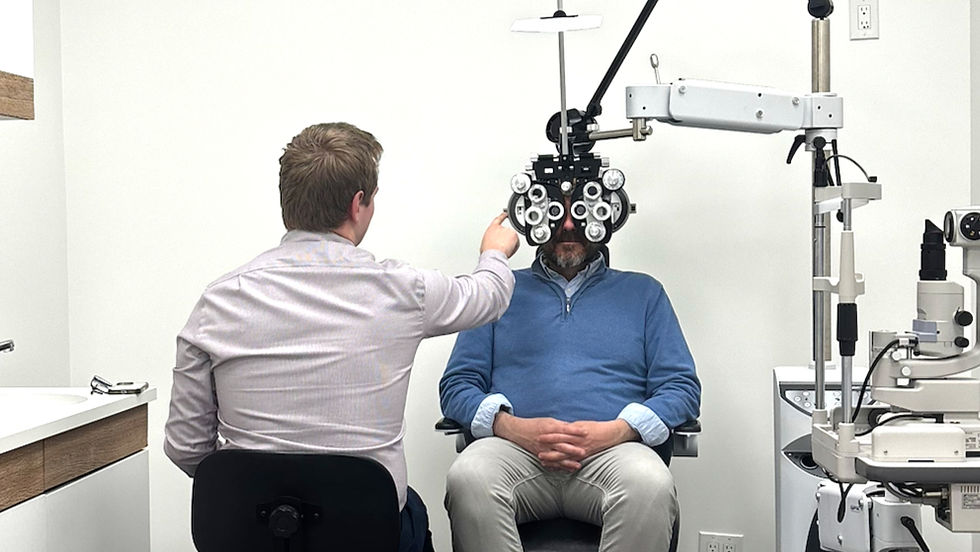
A diabetic eye exam goes beyond simply checking your glasses prescription.
Your optometrist may:
Examine the retina and blood vessels
Look for swelling, bleeding, or leakage
Assess overall retinal health
Monitor for signs of diabetic retinopathy or macular edema
Use imaging technology to track subtle changes over time
This allows for early detection, even before vision changes occur.
Blood Sugar Management & Eye Health

Eye health and diabetes management are closely connected.
Keeping blood sugar levels stable can help:
Reduce the risk of diabetic retinopathy progression
Lower inflammation and vascular stress
Support overall retinal health
Blood pressure and cholesterol management also play important roles in protecting the eyes.
Eye exams are important, but they work best alongside good overall diabetes care.
How Often Should Diabetics Have Eye Exams?
For most people with diabetes:
Annual comprehensive eye exams are the minimum recommendation
However, more frequent monitoring may be needed if:
Diabetic retinopathy is already present
Blood sugar levels are poorly controlled
Vision changes occur
Additional risk factors exist
Your optometrist will recommend a schedule based on your individual eye health.
Symptoms That Should Never Be Ignored
While diabetic eye disease can be silent, certain symptoms require prompt attention:
Sudden blurry vision
Floaters or dark spots
Fluctuating vision
Distorted or wavy vision
Areas of missing vision
If you notice sudden changes, don’t wait for your next routine exam.
How Eye Live Supports Diabetic Eye Health
At Eye Live, diabetic eye exams are focused on both prevention and early detection.
We use advanced diagnostic technology to carefully monitor retinal health and help identify changes as early as possible.
Our goal is to help patients:
Understand their eye health clearly
Feel informed and supported
Catch problems before vision is affected
Diabetes can affect your eyes long before symptoms appear, which is why regular eye exams are so important.
Annual diabetic eye exams are one of the most effective tools for preventing avoidable vision loss and protecting long-term eye health.
If you have diabetes, staying proactive with eye care is one of the best things you can do for your future vision.
Frequently Asked Questions
Can diabetes affect your eyes even if your vision seems normal?
Yes. Diabetic retinopathy often develops without noticeable symptoms in the early stages.
How often should diabetics have eye exams?
At minimum, once per year. More frequent exams may be recommended if diabetic retinopathy or other complications are present.
Can diabetic eye disease be prevented?
Good blood sugar control and regular eye exams significantly reduce the risk of serious complications.
Tags: diabetes, diabetic retinopathy, eye health, medical eye exam, Calgary SE


Comments