_edited.png)
Eye Health After 65: What Calgary Seniors Need to Know About Annual Exams

As we age, our eyes naturally change, but some changes require closer attention than others. After age 65, regular eye exams become one of the most important parts of maintaining independence, safety, and quality of life.
Many serious eye conditions develop slowly and without obvious symptoms at first. That’s why annual comprehensive eye exams are essential, not just for updating glasses, but for protecting long-term vision.

Why Annual Eye Exams Matter More After 65
After 65, the risk of age-related eye disease increases significantly. Even if your vision feels stable, changes can be happening beneath the surface.
Annual exams allow optometrists to:
Detect early signs of disease
Monitor ongoing changes in vision
Update prescriptions for comfort and safety
Help prevent avoidable vision loss
Catching issues early often means more treatment options and better outcomes.
Common Age-Related Eye Conditions
Several eye conditions become more common with age:
Cataracts
Clouding of the natural lens of the eye, leading to blurry or dim vision. Very common and often treatable with surgery.
Glaucoma
A group of diseases that damage the optic nerve, often related to increased eye pressure. Vision loss can occur gradually and without symptoms.
Macular Degeneration (AMD)
Affects central vision, making it harder to read, drive, or recognize faces.
Diabetic Retinopathy
A complication of diabetes that affects blood vessels in the retina and can lead to vision loss if untreated.
Alberta Health Coverage for Seniors
In Alberta, seniors receive coverage for one comprehensive eye exam per year under Alberta Health Care.
Recent updates may include co-pay changes depending on the type of additional testing or services required, so it’s always a good idea to confirm coverage details with your clinic.
This coverage helps ensure that essential eye care remains accessible as we age.
Additional Support: Seniors Assistance Programs

For eligible low-income seniors, the Alberta Dental and Optical Assistance for Seniors Program may provide additional financial support for essential optical needs, including glasses.
These programs are designed to reduce barriers to care and help seniors maintain independence and quality of life.
Symptoms You Should Never Ignore
Some vision changes require urgent attention and should never be dismissed as “normal aging.”
Seek immediate care if you notice:
Sudden vision loss or major change in clarity
New flashes of light
A sudden increase in floaters
A “curtain” or shadow in your vision
Eye pain with vision changes
These symptoms may indicate serious conditions that need prompt assessment.
How Eye Changes Affect Daily Life
Even gradual changes in vision can impact everyday activities such as:
Driving safely
Reading and hobbies
Mobility and balance
Confidence in unfamiliar environments
This is why routine monitoring is so important! Even small prescription changes can make a big difference in comfort and safety.
Making Eye Exams Comfortable and Thorough
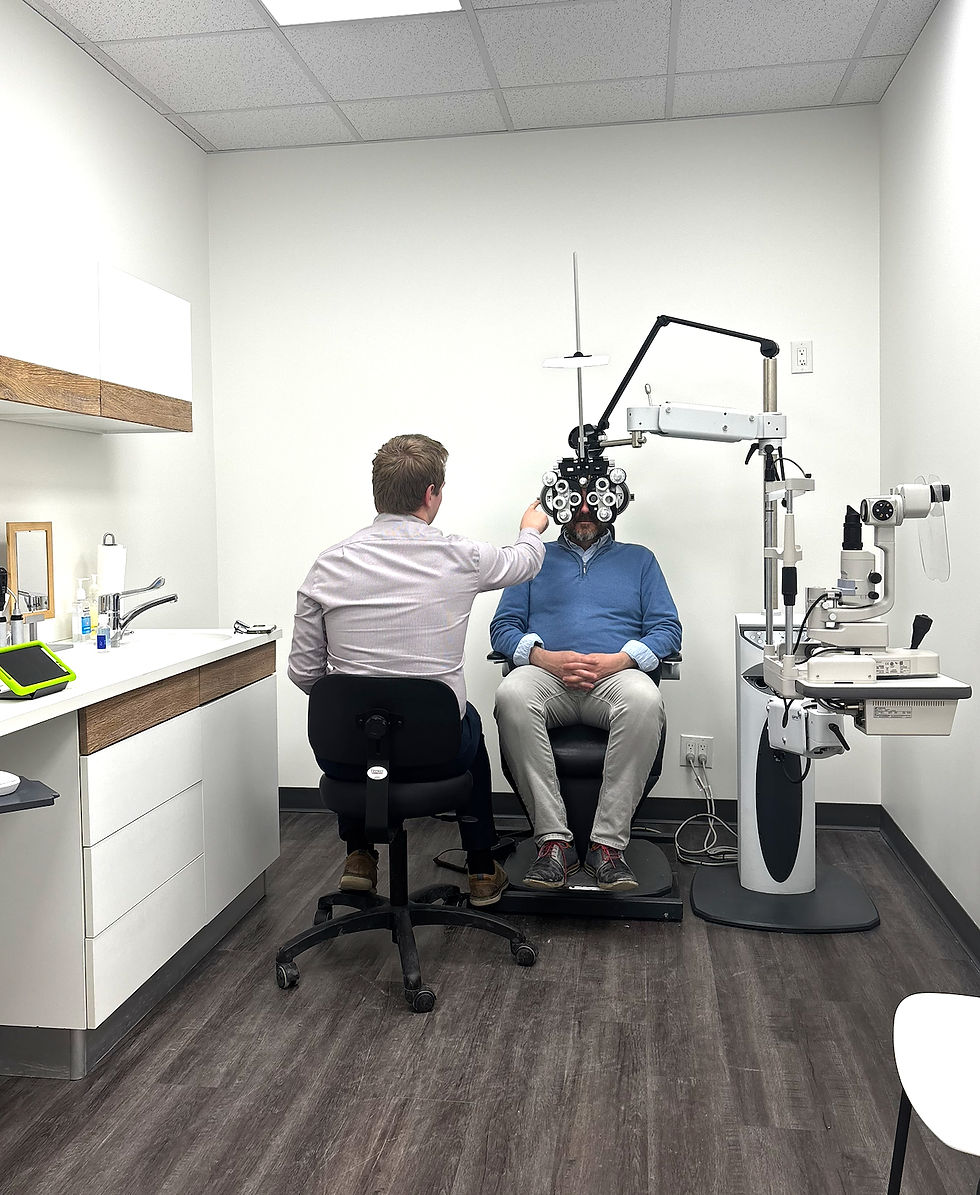
At Eye Live, we take extra care to ensure senior eye exams are:
Comfortable and unrushed
Thorough, with advanced diagnostic imaging when needed
Clearly explained in simple, understandable terms
Focused on both eye health and visual function
We believe eye care should support independence and confidence at every stage of life.
At every age, but especially after 65, eye health becomes about more than vision correction. It's also about protecting long-term sight and maintaining quality of life.
Annual eye exams, awareness of symptoms, and early detection all play a key role in preventing avoidable vision loss.
If it’s been a while since your last exam, it’s never too late to prioritize your eye health.
Frequently Asked Questions
How often should seniors have an eye exam?
Most seniors should have a comprehensive eye exam once per year, even if vision seems stable.
Is it normal for vision to get worse after 65?
Some changes are common, but sudden or significant vision changes should always be assessed by an optometrist.
What eye diseases are most common in seniors?
Cataracts, glaucoma, macular degeneration, and diabetic retinopathy are among the most common age-related conditions.
What symptoms are an emergency?
Sudden vision loss, flashes of light, new floaters, or a curtain/shadow in vision require urgent assessment.
Tags: senior eye exam, age-related eye disease, Calgary, Alberta Health, cataracts, glaucoma

Comments